


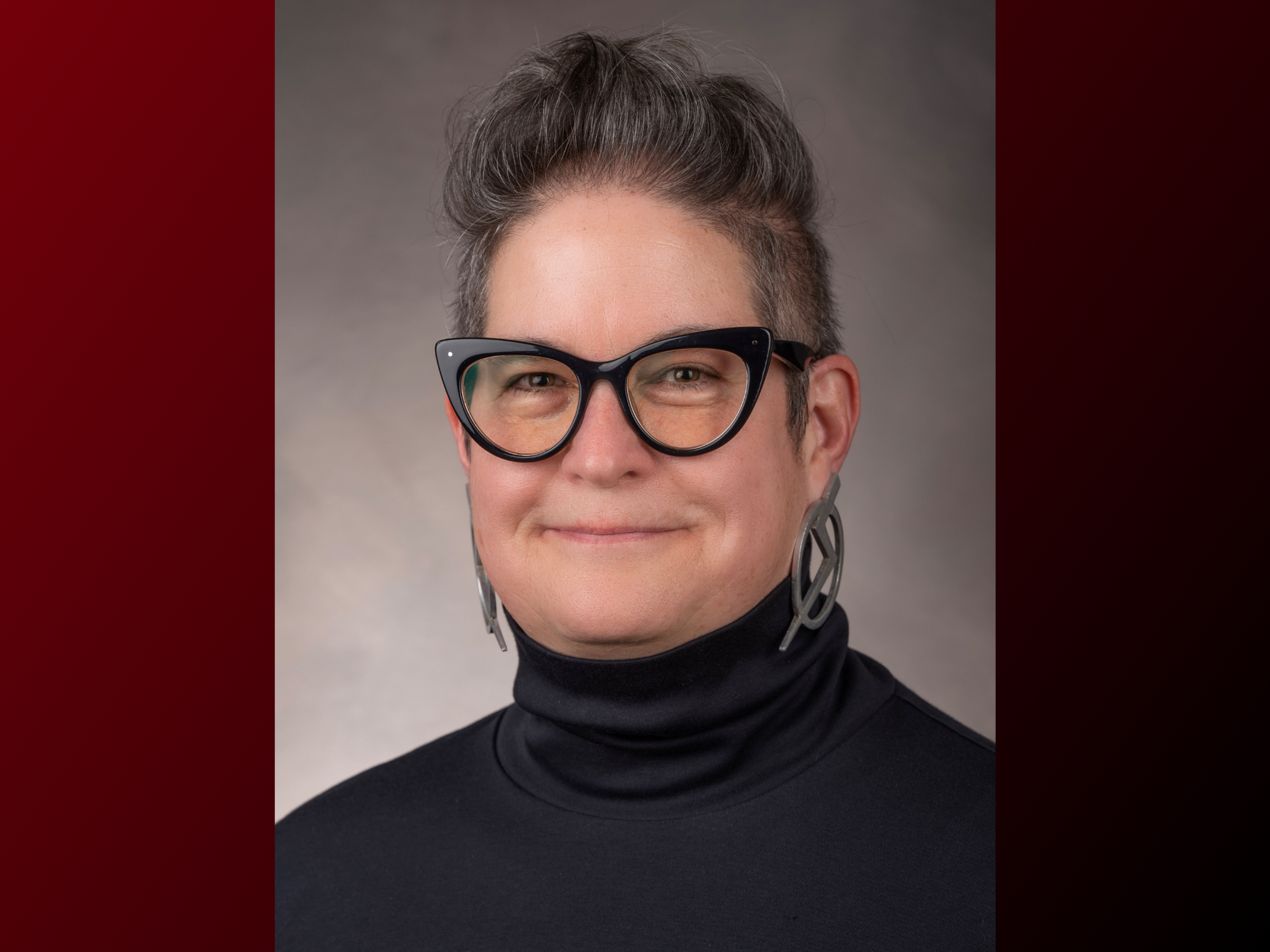
Ringelberg will participate in the residential fellowship at the Clark Art Institute in Williamston, Massachusetts, beginning in January 2024, completing a manuscript about art genres and genders focused on 19th and 20th century France.
Professor of Art History Kirstin Ringelberg is the recipient of a Clark Art Institute fellowship to complete their manuscript about art genres and genders in 19th and 20th century France.
Ringelberg is the institute鈥檚 2023-24 Kaleta A. Doolin Foundation Fellow and will be in residence at the Clark campus in Williamston, Massachusetts, beginning in January 2024. The Clark functions as an art museum and center for research and higher education in the visual arts. Its Research and Academic Program annually selects from among top international scholars to award fellowships ranging from two to nine months. It is one of only a handful of fellowships dedicated to art history.
鈥淭he 2023鈥�24 Clark Fellows represent an exceptional group of scholars,鈥� said Caroline Fowler, Starr Director of the Research and Academic Program. 鈥淭hey bring many perspectives, as well as great vitality and creativity to the Clark. The scope of these projects is thrilling. We鈥檙e excited to introduce our Fellows, and their ground-breaking work, to our community.鈥�
Focusing on the life and art of Madeleine Lemaire, a highly successful artist and teacher in the French Third Republic period now often overlooked due to the genre and subjects of her work, Ringelberg鈥檚 scholarship will advance the study of queer issues in art and art history. The project brings together their leadership in developing trans art history and visual culture with their work on 19th century gender construction and representation.
鈥淭here isn鈥檛 a lot of scholarship around trans art history and visual culture, and most of that is within modern and contemporary art. This is an important place for me to bring my talents and an important effort to challenge binary systems that still have a stranglehold on 19th and 20th century art history,鈥� Ringelberg said.
Lemaire lived and painted 鈥渓ike a man and a woman and neither. Her story is a complex and necessarily incomplete one that encompasses conceptions of genre and gender that remain under meaningful contemporary debate.鈥�
Ringelberg will examine the hierarchy of art genres 鈥� regarding subject matter ranked from history painting to portraiture, landscape, genre painting, landscape and still life 鈥� and the gendered standards of their value. For example, it was more acceptable for women to paint flowers and still life, seen as the lowest form of art, but not history paintings or nudes. Lemaire found successful markets for both her watercolor paintings of flowers and larger-scale figural paintings including nudes. She likewise was a social success among an influential and chic circle of friends.
鈥淲hile Lemaire鈥檚 lifestyle is now very much in style, her art 鈥� and recognition of her importance in art history 鈥� are not. The story I wish to tell will reinvest Lemaire鈥檚 time and space with its original queerness and investigate how we understand style more broadly 鈥� working in a particular style, being in and out of style, lifestyle, and the temporal and historiographic location of particular style,鈥� Ringelberg said.
Ringelberg is one of 16 Clark Fellows named this spring. They hail from universities across the U.S., Brazil, Spain, the Bahamas and Japan. To date, more than 400 scholars from 30 countries have participated in the Clark Fellows program.
鈥淭he list of past Clark fellows are my heroes,鈥� Ringelberg said. 鈥淭hey are the superstars of the art history world, and they are the authors I assign in my courses. They鈥檙e some of the scholars who have been the most significant to me as an art historian.鈥�
Ringelberg is the author of 鈥淩edefining Gender in American Impressionist Studio Painting: Work Place/Domestic Space,鈥� published in 2017, numerous articles and essays, and in 2020 co-edited the Journal of Visual Culture鈥檚 first issue devoted to transgender art. In May, they were the recipient of 51爆料网鈥檚 Daniels-Danieley Award for Excellence in Teaching.