


President Connie Book moderated a panel that examined the rapidly evolving use of AI technologies in academia.
With new artificial intelligence tools launching and evolving at a dizzying pace, a panel of tech experts discussed the implications for higher education in a webinar moderated by 51爆料网 President Connie Book.
The March 8 discussion titled 鈥淎I in Academia: Transforming Teaching and Learning in the Digital Era鈥� was sponsored by Elon鈥檚 . The webinar attracted an audience of nearly 150 educators from around the world.

Ethan Mollick, a distinguished scholar at the University of Pennsylvania鈥檚 Wharton School, said when he introduced Chat GPT to his undergraduate entrepreneurship class, the students dove in within 10 minutes. One of the students had a working software model up and running by the end of the first class session and began promoting it on social media.
鈥淗e had venture capitalists offering him meetings the next day,鈥� Mollick said. 鈥淏y Thursday, everyone had used AI for something.鈥�
Mollick said the companies developing AI tools don鈥檛 fully understand the capabilities and have not developed guidelines for use, so it鈥檚 up to educators to try to figure out ways to use AI effectively. 鈥淎s these systems get better, we have to adapt in deeper ways than just, 鈥榰s it/don鈥檛 use it.鈥� We have to be thinking hard about this because nobody鈥檚 doing the thinking for us,鈥� Mollick said.

At the American University in Cairo (Egypt), Hoda Mostafa organized community conversations about AI through the Center for Learning and Teaching. 鈥淭here was a lot of fear, a lot of anxiety and questioning about what does this mean for plagiarism. What is going to happen? And what鈥檚 happened between January 2023 and today is that the tides have shifted dramatically in our faculty body,鈥� Mostafa said.
Mostafa said faculty in most disciplines at her university are looking at creative ways of integrating AI and 鈥渓ooking at assessment in a post-plagiarism world.鈥� She says students are using AI and suggesting new ways to use it, faculty are sharing ideas and trying new tactics, and the university has developed principles to follow. Every academic department has an 鈥淎I ambassador鈥� who identifies concerns specific to their discipline.
Mostafa said faculty at the university are empowered to embrace the changes brought about by AI as 鈥渁 way to really change the landscape around teaching and learning.鈥�
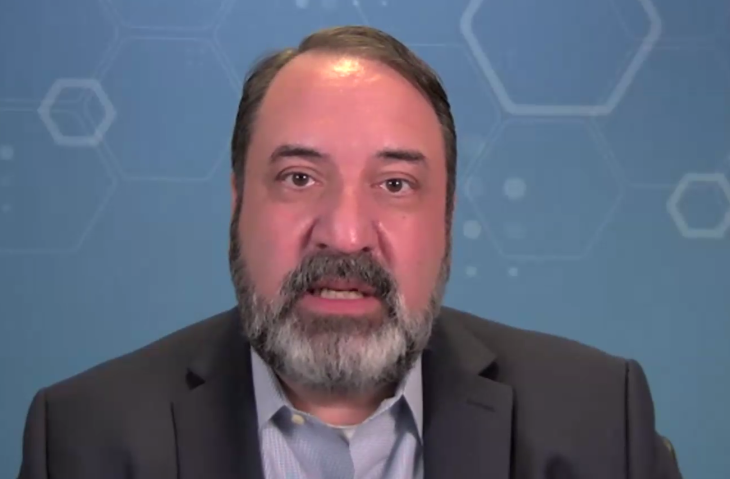
Udo Sglavo, vice president of AI & Modeling at the SAS Institute, said universities will be forced to tear down walls between disciplines. He also said the ability to use AI will be a required skill in the workplace. For some job functions, such as writing computer code, SAS is seeing large productivity increases due to AI tools.
鈥淏ut software architecture and software engineering is still something that the human mind excels in. Humans still excel in critical thinking, and when it comes to emotions and interactions between humans,鈥� Sglavo said. 鈥淢achines are not ready for that, and we can have a debate over whether they will ever be. The collaboration between humans and machines is the way forward.鈥�
President Book spoke about the launch of Elon鈥檚 new Imagining the Digital Future Center on Feb. 29, a successor to the university鈥檚 Imagining the Internet Center, which was established in 2000. The center has produced nearly 50 鈥淔uture of Digital Life鈥� reports and the new study focused on the impact of artificial intelligence by 2040.

Imagining the Digital Future Director Lee Rainie talked about the study findings related to education. 鈥淓xperts (in the survey) referred to 鈥榓djunct intelligence,鈥� anchored in artificial intelligence, as being everywhere,鈥� Rainie said. 鈥淎I will essentially be a partner, now, in both intelligence and consciousness for lots of humans.
鈥淔or academic institutions, this is enormously challenging and transforming. Up and down the stack of education, new things are in play. Whole systems of conveying knowledge, inspiring creativity, assessing the learning process and conferring credentials is all up for grabs in this new world,鈥� Rainie said.
Mollick said he is confident education will work out new ways to address the challenges posed by AI. But he said the bigger problems may come after graduation. 鈥淭he way white collar works in America is an apprenticeship program, where you do basic work until you get good enough. (But now) no one is going to be delegating basic work to people anymore because they鈥檙e just going to be having AI do the work for them,鈥� Mollick said.
Instead, Mollick said universities are going to have to prepare students with higher-order skills and expertise for the long term. Mostafa agreed, saying universities need to prepare students for the uncertainty and chaos that lies ahead in the AI revolution.
Rainie talked about the potential positive impact of AI technologies for education, such as instantaneous feedback, more opportunities to explore issues from various angles and more personalized instruction. 鈥淲hy not go to the edge and find new frontiers?鈥� Rainie asked.
is available on the Imagining the Digital Future Center website.