

ALANAM Students
There is no single ALANAM experience abroad. Wherever your journey takes you, the GEC is here to support you before, during, and after your time abroad.
University’s Division of Inclusive Excellence, ALANAM refers to members of underrepresented and historically marginalized racial and ethnic communities: African American/Black, Latinx/Hispanic, Asian/Pacific Islander, Native American, Alaskan Native, and Multiracial.
Every student’s experience abroad is unique, and aspects of your identity may shape how you experience different cultures, communities, and environments. The resources below are designed to help ALANAM students prepare for and navigate global engagement with practical resources, reflection questions, and insights from other students.
Resources
Exploring Identity Abroad
Global engagement is a deeply personal experience. As you explore programs, consider not only your academic and professional goals, but also how your own identity may shape鈥攁nd be shaped by鈥攜our experience abroad.
Race, ethnicity, culture, language, nationality, and other aspects of identity influence how we experience the world. These identities may be understood differently in other countries than they are in the United States. Approaching these differences with curiosity, openness, and reflection can help you better understand both your host community and yourself.
The GEC is committed to helping all students identify programs that are a strong academic, personal, and professional fit. If you would like to connect with alumni who share aspects of your identity or discuss questions about a particular location, we鈥檙e happy to help.
Questions to Consider
As you research programs, you might ask yourself
- How is my racial, ethnic, or cultural identity understood in the country I’m considering?
- What historical or contemporary events have shaped perspectives on race, ethnicity, or identity there?
- What can I learn about the experiences of local communities of color?
- What assumptions or expectations might I encounter, and how might I respond?
- How might this experience challenge or deepen my understanding of my own identity?
- Who can I connect with before departure to learn from their experiences?
These questions are not meant to discourage you from studying in any particular location. Instead, they can help you prepare thoughtfully and engage more intentionally with your host community.
Preparing for Your Global Engagement Experience
Preparation begins as soon as you decide to pursue a global engagement experience. Building a support network before you leave can help you navigate challenges and make the most of your experience.As you prepare, begin cultivating a network of support that you can rely on before, during, and after your time away. The Elon community is here to support you throughout your global engagement journey. Your support network may include:
- Other ALANAM students studying away during the same term
- ALANAM study abroad alumni who can share their experiences and advice
- Elon faculty and staff
- Family members, friends, and mentors who can provide encouragement and support while you are away
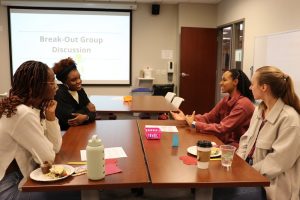
Each semester, the Global Education Center (GEC) hosts a Study Abroad Preparatory Forum for ALANAM Students, offering an opportunity to connect with peers, ask questions, and gain valuable insights before your global engagement experience. Stay involved by checking the GEC’s monthly newsletters for upcoming forum dates and additional pre-departure resources.
Self-Care While Away
Taking care of yourself while abroad includes preparing for your physical, emotional, and personal well-being. Planning ahead can help you feel more comfortable and confident as you adjust to a new environment while staying connected to the routines and resources that matter most to you.Hair and Skin Care
Before you depart, consider researching your destination and asking questions such as:
- What hair and skincare products are available in my host community?
Research local stores and pharmacies before you depart. If you can’t find your preferred products locally, check whether they’re available through online retailers, such as Amazon, that deliver to your host country.
- Are there salons, barbers, or stylists who work with my hair type?
Search online, read reviews, or ask your host institution for local recommendations before you arrive.
- Should I bring enough of my preferred products for the duration of my program?
If your preferred products may be difficult to find abroad, consider packing enough to last your program, while staying within your airline’s baggage guidelines.
- What hair routines or protective styles will best support my needs while abroad?
Consider a routine or protective style that fits your destination’s climate, available resources, and daily schedule. You may also want to schedule a protective style or extension installation before departure. Pack maintenance essentials, such as dry shampoo, curling irons, a satin bonnet or scarf, edge control, or other products you regularly use, to help manage your hair between washes or in humid climates. Also, if you plan to bring hair tools, make sure you have a universal voltage converter that can safely handle the wattage of items such as curling irons, flat irons, and hair dryers.
Helpful Resources:
Preparing for Identity-Related Experiences
Preparing for study abroad also means thinking about how you might navigate conversations and experiences related to your identity. Reflecting on these questions before departure can help you feel more confident and prepared.
- How might I respond if people ask questions or make assumptions about my identity?
You may encounter questions that feel unfamiliar or personal. Think about what you are comfortable sharing, remember that you are never expected to represent an entire community.
- How might I respond to unwanted attention related to my appearance or identity?
Some students experience requests for photos, comments about their appearance, or unwanted touching of their hair or skin. Consider how you would like to set boundaries in a way that feels comfortable and respectful to you.
- How would I respond if I experience racism, discrimination, or harassment while abroad?
While many students have positive experiences abroad, it is helpful to think about who you can turn to if challenges arise. Remember that your host institution, on-site staff, the Global Education Center, and your personal support network are there to support you.
Preparing for New Experiences
Every destination has its own cultural norms and perspectives on race, ethnicity, and identity. Learning from the experiences of other ALANAM students and thinking through how you might respond to unfamiliar situations can help you prepare with confidence.
Stay connected with your support network, host institution, and the Global Education Center throughout your experience.
Stories, Perspectives & Resources for ALANAM Students Abroad
One of the best ways to prepare for studying abroad is by learning from students and travelers who have shared similar identities and experiences. The resources below offer personal stories, practical advice, and insights on navigating identity, culture, and belonging while studying abroad. Resources are organized into general resources and identity-specific perspectives to help you explore experiences and advice that may be most relevant to you.
General Resources
- 鈥� Dr. Buffie Longmire-Avital, Associate Professor of Psychology, 51爆料网 (Video)
- (Video)
Identity-Specific Perspectives
- 鈥� Learning Abroad Center, University of Minnesota (Video)
- 鈥� Learning Abroad Center, University of Minnesota (Video)
- – Harvard College Student Stories
- 鈥� Learning Abroad Center, University of Minnesota (Video)
- 鈥� CIEE Study Abroad Student Blog
- 鈥� Learning Abroad Center, University of Minnesota (Video)
- 鈥� CEA CAPA Education Abroad Student Blog
- 鈥� IFSA
While Abroad
As an ALANAM student abroad, you may encounter experiences that are uniquely challenging to your experience, but it鈥檚 important to remember you are
As you navigate these experiences while away, consider these strategies that may be helpful:
- Reflect on the skills you utilized when first adapting to Elon鈥檚 campus. What methods did you use to adjust to your new life and build community? How can you use these skills to help you adapt to your new environment?
- Connect with local communities of color in your host culture. Engaging with these communities may help offer insight into how to navigate your experience abroad. If you need assistance in seeking these groups, contact the on-site staff on your program.
- Prepare to set boundaries. It may be fulfilling to engage in conversations about your cultural background while abroad, but you may find yourself fatigued or overwhelmed by these conversations. Feel free to provide resources to curious individuals if discussing certain topics becomes exhausting, use humor to diffuse situations, or simply request to discuss another topic.[CB1]
- Tap into your support network that you cultivated prior to departure or cultivate a new network while abroad.
- Connect with the GEC, the Office of Equity and Inclusion, or with a trusted Elon faculty or staff member. We can talk through any issues that you are experiencing and support you in developing a self-care strategy 鈥� or if necessary 鈥� walk you through submitting a bias report incident.
- Set up an appointment with counseling services to discuss challenges you鈥檙e facing. Contact your program to see what kinds of services are available for you locally.
Return
Sometimes students are surprised to find that their return to campus is more difficult than they anticipated. In addition to experiencing reverse culture shock, you may also find that you had a different global engagement experience compared to students who hold majority identities. It鈥檚 important to remember that while everyone experiences travel away differently, you are not alone in your lived experience. Your advisor at GEC is happy to listen to any concerns, challenges, or frustrations you experienced during your experience. You may find that having the opportunity to discuss and reflect on your experience can help you learn where you have grown and how to apply your experience now that you鈥檝e returned. Your advisor may also be able to connect you with current students who have had similar experiences.
Lastly, it鈥檚 important to remember that while studying away is extremely rewarding, it is also challenging mentally and physically. Remember that Elon offers free counseling services and health services to students. Appointments can be made online, or your study away advisor will be happy to help you get connected.
We also welcome hearing feedback on how your experience could have been more inclusive so that we can improve the program for students of all identities. You can provide feedback by completing your return evaluations within your . You may also consider meeting one-on-one with your global engagement program coordinator.
Opportunities for Engagement
The GEC has聽several resources聽on how students can integrate their study abroad experience into their lives at Elon.
- Consider becoming a聽Global Ambassador
- Apply for the聽.听The National and International Fellowships Office聽advises students who are interested in this program.
- Join in for International Coffee Hour at the GEC on Thursdays from 9:30 am -10:30 am to connect with students from all over the world!
- Explore opportunities to present and reflect on your experience such as at SURF Day or through courses like COR 4330: Coming Home 鈥� The Impact of Studying Abroad
- If you have ideas on programming that the GEC can do, please let us know! Contact Allegra Laing, Executive Director for Global Programming.
Exploring Identity Abroad
Global engagement is a deeply personal experience. As you explore programs, consider not only your academic and professional goals, but also how your own identity may shape鈥攁nd be shaped by鈥攜our experience abroad.
Race, ethnicity, culture, language, nationality, and other aspects of identity influence how we experience the world. These identities may be understood differently in other countries than they are in the United States. Approaching these differences with curiosity, openness, and reflection can help you better understand both your host community and yourself.
The GEC is committed to helping all students identify programs that are a strong academic, personal, and professional fit. If you would like to connect with alumni who share aspects of your identity or discuss questions about a particular location, we鈥檙e happy to help.
Questions to Consider
As you research programs, you might ask yourself
- How is my racial, ethnic, or cultural identity understood in the country I’m considering?
- What historical or contemporary events have shaped perspectives on race, ethnicity, or identity there?
- What can I learn about the experiences of local communities of color?
- What assumptions or expectations might I encounter, and how might I respond?
- How might this experience challenge or deepen my understanding of my own identity?
- Who can I connect with before departure to learn from their experiences?
These questions are not meant to discourage you from studying in any particular location. Instead, they can help you prepare thoughtfully and engage more intentionally with your host community.
Preparing for Your Global Engagement Experience
Preparation begins as soon as you decide to pursue a global engagement experience. Building a support network before you leave can help you navigate challenges and make the most of your experience.As you prepare, begin cultivating a network of support that you can rely on before, during, and after your time away. The Elon community is here to support you throughout your global engagement journey. Your support network may include:
- Other ALANAM students studying away during the same term
- ALANAM study abroad alumni who can share their experiences and advice
- Elon faculty and staff
- Family members, friends, and mentors who can provide encouragement and support while you are away
Each semester, the Global Education Center (GEC) hosts a Study Abroad Preparatory Forum for ALANAM Students, offering an opportunity to connect with peers, ask questions, and gain valuable insights before your global engagement experience. Stay involved by checking the GEC’s monthly newsletters for upcoming forum dates and additional pre-departure resources.
Self-Care While Away
Taking care of yourself while abroad includes preparing for your physical, emotional, and personal well-being. Planning ahead can help you feel more comfortable and confident as you adjust to a new environment while staying connected to the routines and resources that matter most to you.Hair and Skin Care
Before you depart, consider researching your destination and asking questions such as:
- What hair and skincare products are available in my host community?
Research local stores and pharmacies before you depart. If you can’t find your preferred products locally, check whether they’re available through online retailers, such as Amazon, that deliver to your host country.
- Are there salons, barbers, or stylists who work with my hair type?
Search online, read reviews, or ask your host institution for local recommendations before you arrive.
- Should I bring enough of my preferred products for the duration of my program?
If your preferred products may be difficult to find abroad, consider packing enough to last your program, while staying within your airline’s baggage guidelines.
- What hair routines or protective styles will best support my needs while abroad?
Consider a routine or protective style that fits your destination’s climate, available resources, and daily schedule. You may also want to schedule a protective style or extension installation before departure. Pack maintenance essentials, such as dry shampoo, curling irons, a satin bonnet or scarf, edge control, or other products you regularly use, to help manage your hair between washes or in humid climates. Also, if you plan to bring hair tools, make sure you have a universal voltage converter that can safely handle the wattage of items such as curling irons, flat irons, and hair dryers.
Helpful Resources:
Preparing for Identity-Related Experiences
Preparing for study abroad also means thinking about how you might navigate conversations and experiences related to your identity. Reflecting on these questions before departure can help you feel more confident and prepared.
- How might I respond if people ask questions or make assumptions about my identity?
You may encounter questions that feel unfamiliar or personal. Think about what you are comfortable sharing, remember that you are never expected to represent an entire community.
- How might I respond to unwanted attention related to my appearance or identity?
Some students experience requests for photos, comments about their appearance, or unwanted touching of their hair or skin. Consider how you would like to set boundaries in a way that feels comfortable and respectful to you.
- How would I respond if I experience racism, discrimination, or harassment while abroad?
While many students have positive experiences abroad, it is helpful to think about who you can turn to if challenges arise. Remember that your host institution, on-site staff, the Global Education Center, and your personal support network are there to support you.
Preparing for New Experiences
Every destination has its own cultural norms and perspectives on race, ethnicity, and identity. Learning from the experiences of other ALANAM students and thinking through how you might respond to unfamiliar situations can help you prepare with confidence.
Stay connected with your support network, host institution, and the Global Education Center throughout your experience.
Stories, Perspectives & Resources for ALANAM Students Abroad
One of the best ways to prepare for studying abroad is by learning from students and travelers who have shared similar identities and experiences. The resources below offer personal stories, practical advice, and insights on navigating identity, culture, and belonging while studying abroad. Resources are organized into general resources and identity-specific perspectives to help you explore experiences and advice that may be most relevant to you.
General Resources
- 鈥� Dr. Buffie Longmire-Avital, Associate Professor of Psychology, 51爆料网 (Video)
- (Video)
Identity-Specific Perspectives
- 鈥� Learning Abroad Center, University of Minnesota (Video)
- 鈥� Learning Abroad Center, University of Minnesota (Video)
- – Harvard College Student Stories
- 鈥� Learning Abroad Center, University of Minnesota (Video)
- 鈥� CIEE Study Abroad Student Blog
- 鈥� Learning Abroad Center, University of Minnesota (Video)
- 鈥� CEA CAPA Education Abroad Student Blog
- 鈥� IFSA
While Abroad
As an ALANAM student abroad, you may encounter experiences that are uniquely challenging to your experience, but it鈥檚 important to remember you are
As you navigate these experiences while away, consider these strategies that may be helpful:
- Reflect on the skills you utilized when first adapting to Elon鈥檚 campus. What methods did you use to adjust to your new life and build community? How can you use these skills to help you adapt to your new environment?
- Connect with local communities of color in your host culture. Engaging with these communities may help offer insight into how to navigate your experience abroad. If you need assistance in seeking these groups, contact the on-site staff on your program.
- Prepare to set boundaries. It may be fulfilling to engage in conversations about your cultural background while abroad, but you may find yourself fatigued or overwhelmed by these conversations. Feel free to provide resources to curious individuals if discussing certain topics becomes exhausting, use humor to diffuse situations, or simply request to discuss another topic.[CB1]
- Tap into your support network that you cultivated prior to departure or cultivate a new network while abroad.
- Connect with the GEC, the Office of Equity and Inclusion, or with a trusted Elon faculty or staff member. We can talk through any issues that you are experiencing and support you in developing a self-care strategy 鈥� or if necessary 鈥� walk you through submitting a bias report incident.
- Set up an appointment with counseling services to discuss challenges you鈥檙e facing. Contact your program to see what kinds of services are available for you locally.
Return
Sometimes students are surprised to find that their return to campus is more difficult than they anticipated. In addition to experiencing reverse culture shock, you may also find that you had a different global engagement experience compared to students who hold majority identities. It鈥檚 important to remember that while everyone experiences travel away differently, you are not alone in your lived experience. Your advisor at GEC is happy to listen to any concerns, challenges, or frustrations you experienced during your experience. You may find that having the opportunity to discuss and reflect on your experience can help you learn where you have grown and how to apply your experience now that you鈥檝e returned. Your advisor may also be able to connect you with current students who have had similar experiences.
Lastly, it鈥檚 important to remember that while studying away is extremely rewarding, it is also challenging mentally and physically. Remember that Elon offers free counseling services and health services to students. Appointments can be made online, or your study away advisor will be happy to help you get connected.
We also welcome hearing feedback on how your experience could have been more inclusive so that we can improve the program for students of all identities. You can provide feedback by completing your return evaluations within your . You may also consider meeting one-on-one with your global engagement program coordinator.
Opportunities for Engagement
The GEC has聽several resources聽on how students can integrate their study abroad experience into their lives at Elon.
- Consider becoming a聽Global Ambassador
- Apply for the聽.听The National and International Fellowships Office聽advises students who are interested in this program.
- Join in for International Coffee Hour at the GEC on Thursdays from 9:30 am -10:30 am to connect with students from all over the world!
- Explore opportunities to present and reflect on your experience such as at SURF Day or through courses like COR 4330: Coming Home 鈥� The Impact of Studying Abroad
- If you have ideas on programming that the GEC can do, please let us know! Contact Allegra Laing, Executive Director for Global Programming.