

How to Bridge Undergraduate Research and Professional Readiness

Assistant Vice President Brooke Buffington (left) and Associate Professor CJ Fleming
When Associate Professor CJ Fleming would ask her students to frame their research in job-interview terms, she heard the same refrain.
鈥淭hey鈥檇 say, 鈥業 read articles, I ran a study,鈥� but they weren鈥檛 connecting that to the real skills they were developing鈥攍ike critical thinking or project management,鈥� said Fleming, a faculty member in the Department of Psychology and associate director of 51爆料网鈥檚 Undergraduate Research Program.
At the same time, Brooke Buffington noticed a similar pattern in her role as assistant vice president for the Student Professional Development Center, 51爆料网鈥檚 comprehensive campus resource for students and alumni interested in understanding their career-related interests, individual preferences, strengths, and values.
鈥淪tudents were so focused on the academic side of research, they weren鈥檛 highlighting the very competencies鈥攁nalytical skills, collaboration, communication鈥攖hat employers and graduate schools look for,鈥� Buffington said.
Fleming and Buffington soon teamed up to help students translate their scholarly work into professional language. Over the past year, the duo organized several workshops that taught students and faculty mentors alike how small adjustments鈥攍ike brief reflection discussions or aligning research tasks with professional competencies鈥攃an make research more visibly career-focused.
鈥淲e walked participants through the competencies and showed how undergraduate research experiences map onto skills like critical thinking or problem-solving,鈥� Fleming said. 鈥淚t was exciting to see them realize that research and career readiness don鈥檛 have to be separate conversations.鈥�
Making Career Connections for Undergraduate Researchers
A Coach Whose Mentoring Does More Than Guide Research
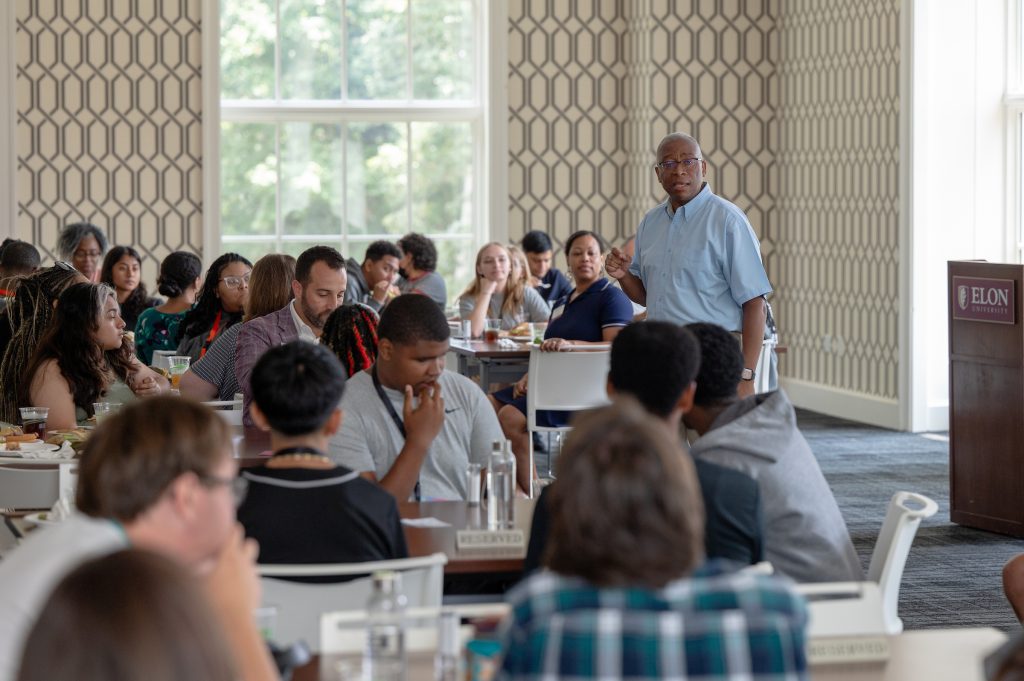
Known by many simply as 鈥淐oach Talbert,鈥� George Talbert insists that undergraduate research should do more than hone academic prowess 鈥� it should shape students into career-ready professionals.
The assistant professor of marketing and international business believes mentorship often begins in a student鈥檚 first year and continues long after graduation. Integrating hands-on research into every stage of the academic journey, he encourages his students to explore practical questions while mastering key steps of inquiry: study design, data gathering, findings interpretation, and results presentation.
Talbert integrates competencies from both the National Association of Colleges and Employers and the Association to Advance Collegiate Schools of Business into his mentoring. This approach fosters critical thinking, communication, teamwork, and ethical decision-making. It also transforms research into practical professional development experiences, preparing students for success beyond the classroom.
In addition, Talbert connects students with the Student Professional Development Center for resume feedback, interview coaching, and LinkedIn refinement, turning research outcomes into compelling career narratives.
Advising Pi Sigma Epsilon, he supports team-based projects that test leadership and collaboration skills. And by staying in touch after graduation, Talbert ensures each research experience remains a launchpad for lifelong learning and professional success.
鈥淚鈥檝e seen my mentees earn substantial raises in their first year, join the President鈥檚 Club at their companies, and even lead new-hire training,鈥� Talbert said. 鈥淚 feel I鈥檓 paying forward what was given to me, and it鈥檚 incredible seeing them leverage the research and professional skills they鈥檝e developed, then turn around to mentor others.鈥�
Want to Build Trust? Refer Students to Campus Resources
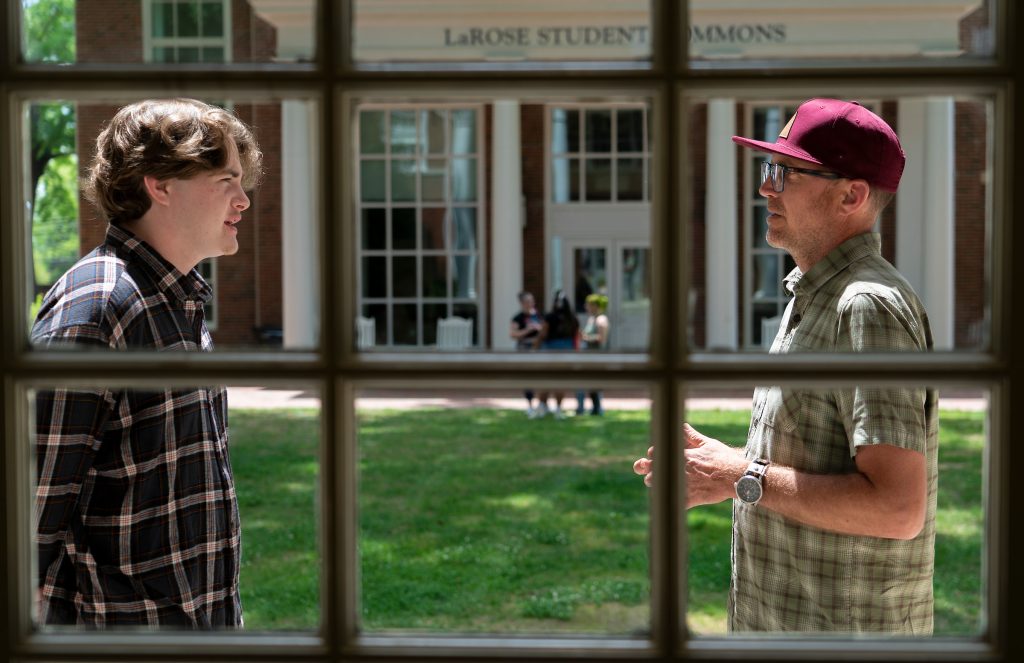
Associate Professor Scott Morrison views undergraduate research as more than an academic exercise鈥攈e sees it as a transformative process that builds professional skills and confidence.
Morrison has mentored over 35 students from more than a dozen majors since joining 51爆料网鈥檚 Dr. Jo Watts Williams School of Education. Along the way, he guides each mentee through key steps of inquiry: reading academic literature, gathering and analyzing data, and communicating results.
Though many of his students first explore research through 51爆料网鈥檚 various Fellows programs, Morrison educates every mentee about the way their scholarly endeavors can strengthen graduate school applications and, for those planning to begin their careers immediately after graduation, enhance job readiness.
That starts with directing his students to visit the Student Professional Development Center for r茅sum茅 support, interview practice and career resources. Encouraging students to connect with campus resources they hadn鈥檛 previously considered often builds trust, he notes.
And as Morrison has聽also observed, trust leads to alumni reaching out for advice as they pursue teaching roles, public policy work or advanced degrees.
鈥淲hen students see how planning, writing and presenting research translates to what they鈥檒l do in their careers,鈥� Morrison says, 鈥渋t stops being just a class project鈥攁nd it becomes a lifelong skill set.鈥�
Fleming and Buffington also introduced pre- and post-research surveys that prompted faculty and students to identify and evaluate specific skills, like leadership, critical thinking, and communication, throughout a project. A centerpiece of this approach is 51爆料网鈥檚 FIRE Toolkit.
An acronym for 鈥淔acilitating Integration and Reflection of the Elon Experiences,鈥� the toolkit created by 51爆料网鈥檚 Center for Engaged Learning nudges students to think about the 鈥渨hy鈥� behind their tasks and to consider how their learning experiences are related. For example: 鈥淲hat have you learned about yourself and what skills have you developed as a result of undertaking a research project?鈥�
Meanwhile, when using the NACE competencies to map specific skills, students might note how to identify career-ready skills.
It was exciting to see them realize that research and career readiness don鈥檛 have to be separate conversations.
– Associate Professor CJ Fleming
The results? By weaving career conversations into research from the start with faculty, students learn to see themselves not just as undergraduates fulfilling course requirements, but as young professionals gaining marketable skills.
鈥淲e鈥檙e simply making the skills visible,鈥� Fleming said. 鈥淥nce students recognize how their research equips them for whatever comes next鈥攇rad school, a startup, a nonprofit鈥攖hey speak about it with a whole new level of confidence.鈥�