


Assistant Professor of Education, Nermin Vehabovic, was invited by University of British Columbia scholar Sofia Noori to guest lecture in a Refugee Education course, where he engaged teacher candidates in exploring the role of stories in refugee education through the guiding question, “How do we listen to the stories of others?�
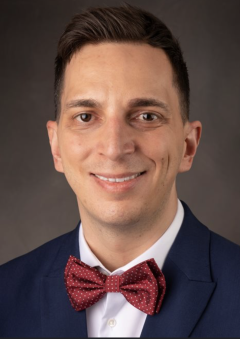
The University of British Columbia (UBC) recently welcomed Assistant Professor of Education, Nermin Vehabovic, as a guest lecturer in its Refugee Education course. Invited by Sofia Noori, assistant professor in UBC’s Department of Curriculum and Pedagogy, Nermin engaged teacher candidates in examining the role of stories in refugee education through the guiding question, “How do we listen to the stories of others?”
Situated on the ancestral and unceded territory of the Musqueam people in Vancouver, and connected through the broader traditional territories of Indigenous nations across British Columbia, UBC is recognized as a global center for research and teaching and is consistently ranked among the top universities in the world.
Noori’s Refugee Education course prepares teacher candidates to better understand the histories, lived experiences and educational realities of children and youth from refugee backgrounds. The course explores how schools, classrooms, and community partnerships can foster equitable learning environments while strengthening relationships with newcomer families and communities.
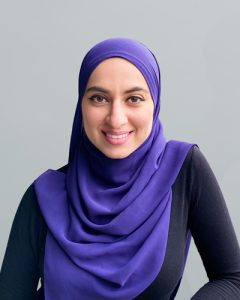
Rather than delivering a traditional lecture, Nermin designed an interactive, participatory session grounded in the principles of his scholarship on humanizing  education. He invited teacher candidates to reflect on their own stories before considering how educators can cultivate classrooms where the stories, languages, identities, and ways of knowing of children, youth, and families from refugee backgrounds are genuinely heard and valued.
“My intention was for us to be in community with one another as colleagues and educators,” Nermin said. “I wanted the experience to model the very practices we hope to cultivate in schools—listening, relationality and learning with others rather than simply teaching to them.”
Throughout the session, participants explored the importance of unlearning deficit perspectives, assumptions, savior mentalities and monolingual expectations that can limit meaningful engagement with students and families. The discussion emphasized ethical listening as a foundational practice for building culturally sustaining and humanizing classrooms.
Nermin also shared examples from Welcome New Neighbor, the community-engaged initiative he founded through 51±¬ÁÏÍø’s Dr. Jo Watts Williams School of Education. The program partners teacher candidates with families from refugee backgrounds through home-based literacy experiences that position families’ languages, cultures, and knowledge as educational assets. During the session, he highlighted how the initiative prepares teacher candidates to build reciprocal relationships with multilingual families while reimagining homes as important spaces of learning, belonging, and affirmation.
Drawing on his research, Nermin also discussed the interconnected roles of transnationalism, translanguaging, picturebooks and family literacies in supporting refugee-background children and youth, as well as their families. Participants considered how storytelling can become a vehicle for cultivating belonging, honoring identities and strengthening relationships between schools and communities.
The invitation reflects Nermin’s growing international collaborations in literacy and teacher education, as well as his ongoing scholarship centered on humanizing educational practices and preparing educators to work alongside families across culturally and linguistically diverse communities.